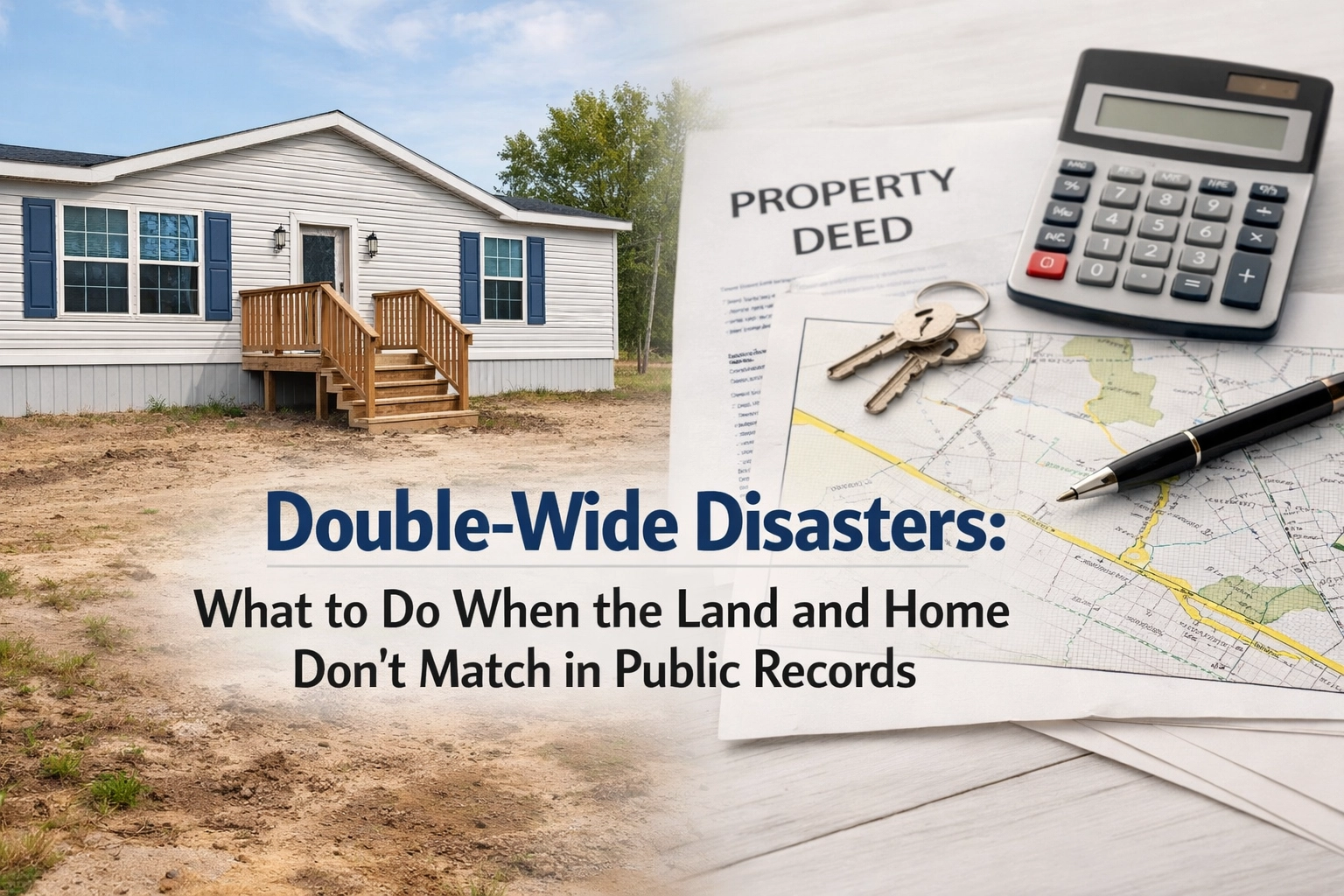
Mobile Home Title Issues: Don’t Let Your Investment Roll Away
For many real estate investors and park owners, mobile homes [...]

For many real estate investors and park owners, mobile homes represent an incredible opportunity for high-yield returns and affordable housing solutions. However, beneath the surface of these "properties on wheels" lies a complex legal landscape that can turn a promising deal into a bureaucratic nightmare. Unlike traditional site-built homes, mobile homes often occupy a strange legal middle ground between a vehicle and real estate.
If you are an investor looking to scale your portfolio, understanding the nuances of mobile home titles is not just a benefit: it is of paramount importance. A single oversight in the chain of ownership or a failure to properly "de-title" a unit can stall a sale, prevent financing, and leave you holding an asset you technically don't own.
At Savio Title, PLLC, we see these issues daily. Whether it is a missing certificate from the 1980s or a confounding discrepancy between Department of Motor Vehicles (DMV) records and local land records, these hurdles require a steady, expert hand. In this guide, we will explore the common pitfalls of mobile home titles and how our professional title services protect your bottom line.
The Legal Identity Crisis: DMV vs. Land Records
The most fundamental challenge with mobile homes is their dual identity. When a manufactured home leaves the factory, it is classified as personal property (chattel), much like a car or a boat. It is issued a Certificate of Title by the state’s DMV or equivalent agency.
However, once that home is placed on a permanent foundation and the wheels and axles are removed, it can be converted into real property. This process, often called "de-titling" or "affixing," is supposed to merge the home with the land it sits on, creating a single legal entity recorded in the county land records.
This is where the trouble begins.
It is shockingly common to find a home that has been treated as real estate for decades: taxed as such and sold via traditional deeds: while the original DMV title remains "active" in the state’s database. This "double-titling" creates a cloud on the title. If the DMV still thinks the home is a vehicle, a lender may refuse to issue a mortgage, and a title insurance company may refuse to issue a policy until that old title is surrendered and cancelled.

The "Double-Wide" Danger: Missing Certificates of Title
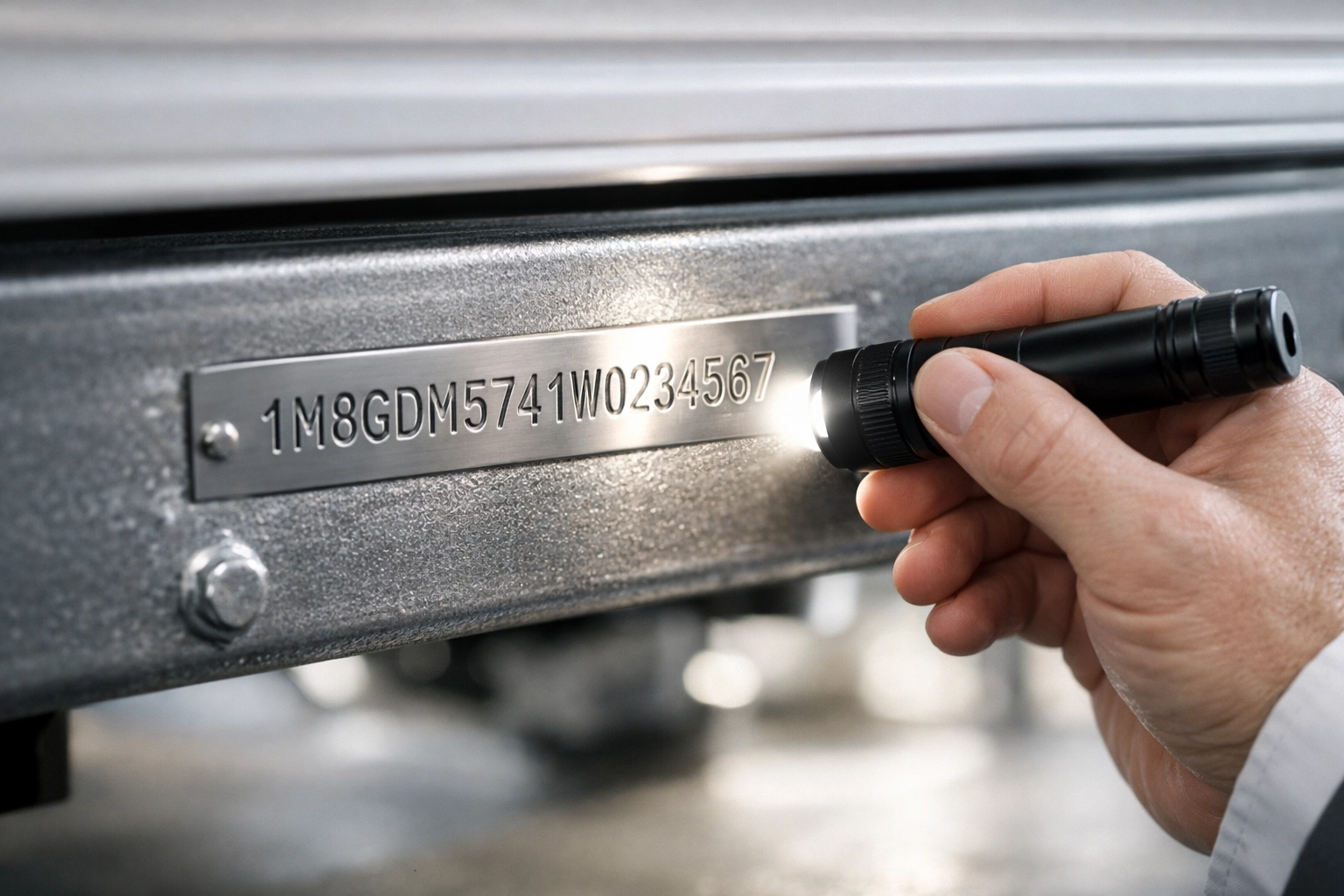
If you are dealing with a multi-section home, such as a double-wide or triple-wide, the complexity doubles or triples along with the square footage. Each section of the home has its own unique Vehicle Identification Number (VIN) and its own individual title.
Investors frequently encounter situations where the seller has the title for one half of the home but has completely lost the paperwork for the other. It is essential to remember that without both (or all) titles, you do not own the entire structure. Tracking down a missing title for a section of a home that was manufactured thirty years ago is a task that requires specialized title search capabilities. Without a clear trail for every VIN associated with the property, your investment is essentially stuck in legal limbo.
The Chain of Title: When the Seller Isn't the Owner
In the world of mobile home investing, "title jumping" is a frequent and illegal practice. This occurs when a buyer purchases a home, never flips the title into their name to save on taxes or fees, and then tries to sell it to you.
As an investor, you must ensure that the person signing the closing documents is the legal owner of record. If the name on the DMV title doesn't match the name of your seller, you are not just facing a paperwork delay; you are facing a potential total loss of investment. To fix this, you often have to track down the previous owner: who may be deceased or long gone: to get the proper signatures.
This is why a comprehensive title search is indispensable. Our team at Savio Title specializes in untangling these chains of ownership, ensuring that when you buy, you are getting a "clean" asset. If you are currently facing a situation where a seller cannot produce a clear title, we recommend you connect with us immediately before proceeding.
Bankruptcy Sales: A Unique Set of Hurdles
Bankruptcy sales can be a goldmine for savvy investors, but they come with their own set of "gotchas." When you purchase a mobile home through a bankruptcy court, you might assume the court order overrides all previous title issues. While a court order is a powerful tool, it does not magically update the DMV’s records.
If the bankruptcy trustee sells you the property, you must ensure the court order specifically references the VINs of the mobile home and not just the legal description of the land. If the home was never properly affixed to the land, the "real estate" sold in bankruptcy might not actually include the home sitting on it. Navigating the intersection of federal bankruptcy law and state titling regulations is crucial to ensuring your investment is secure.
Hidden Liens and the "Abandoned" Nightmare
Because mobile homes start as personal property, they can be subject to different types of liens than traditional houses. A lender might have a "purchase money security interest" filed with the Secretary of State or the DMV rather than the county recorder's office.
Furthermore, if the home is located in a mobile home park, the park owner may have a statutory lien for unpaid lot rent. In some jurisdictions, an "abandoned" mobile home process allows a park owner to claim title to a home after a certain period of vacancy. Understanding the mobile home abandonment process is vital if you are looking to acquire units within an existing community.
Before you hand over any funds, you must verify that:
- There are no outstanding taxes owed to the county.
- There are no active liens recorded with the DMV.
- The "chattel mortgage" (if any) has been fully released.
How Savio Title Protects Your Investment
At Savio Title, PLLC, led by Christian Savio, we understand that mobile homes are a specialized asset class that requires specialized attention. We don't just look at the land; we look at the unit. Our professional title services are designed to bridge the gap between the DMV and the Courthouse.
We provide the expertise necessary to:
- Identify VIN Discrepancies: We cross-reference physical VINs found on the home’s data plate with state records.
- Navigate De-Titling: We assist in the complex process of surrendering titles to ensure the home is legally recognized as real property.
- Resolve Chain of Title Issues: We help locate missing owners and facilitate the paperwork needed to correct years of "title jumping."
- Coordinate with Lenders: We provide the clarity that mortgage companies need to feel confident in financing manufactured housing.
As an investor, your time is better spent finding the next deal than sitting on hold with the DMV or digging through dusty basement records. Let us be your guide through the labyrinth of mobile home bureaucracy.
Conclusion: Expertise is the Ultimate Insurance
Mobile home investing offers a path to significant wealth, but only for those who respect the complexity of the paperwork. A "cheap" unit with a missing title can quickly become the most expensive mistake in your portfolio.
Do not leave your investment to chance. The difference between a successful closing and a legal disaster often comes down to the quality of your title partner. Whether you are dealing with a single-family residence on its own lot or a large-scale acquisition in a manufactured housing community, the integrity of the title is the foundation of your success.
So, the next time you find a mobile home deal that looks too good to be true, start with a thorough title search. Trust the experts who understand the "unsung heroes" of the real estate world.
Savio Title, PLLC is here to ensure that your investment stays exactly where it belongs: in your hands.
Disclaimer: The information provided in this blog post is for educational purposes only and does not constitute legal advice. Title laws vary significantly by state and jurisdiction. Always consult with a qualified professional regarding your specific real estate transaction.