The VIN Trap: Why Your Mobile Home Isn’t Actually Real Estate Yet
You just found the perfect investment. It’s a manufactured home [...]

You just found the perfect investment. It’s a manufactured home sitting on a beautiful half-acre lot. The skirtings are clean, the roof is solid, and the seller is ready to sign the deed. You’ve done your homework, or so you think. You’ve looked at the land, checked the taxes, and you’re ready to head to the closing table.
But then, the title company calls. There’s a problem. A big one.
As an investor or a homebuyer, you are about to fall into what we call the VIN Trap. You think you’re buying real estate, but according to the state, you’re actually buying a very large, very heavy vehicle, no different than a Toyota Camry or a boat.
At Savio Title, PLLC, we see this all the time. It is a legal limbo that can stall a closing for months, kill a mortgage application instantly, and leave you holding a property that you can’t legally prove you own in full. Understanding the distinction between personal property and real property is not just a technicality; it is paramount importance to your success in the mobile home market.
The Identity Crisis: Is it a House or a Car?
Most people assume that if a structure has a porch, a kitchen, and a permanent connection to a septic tank, it is a house. Legally, that is a dangerous assumption.
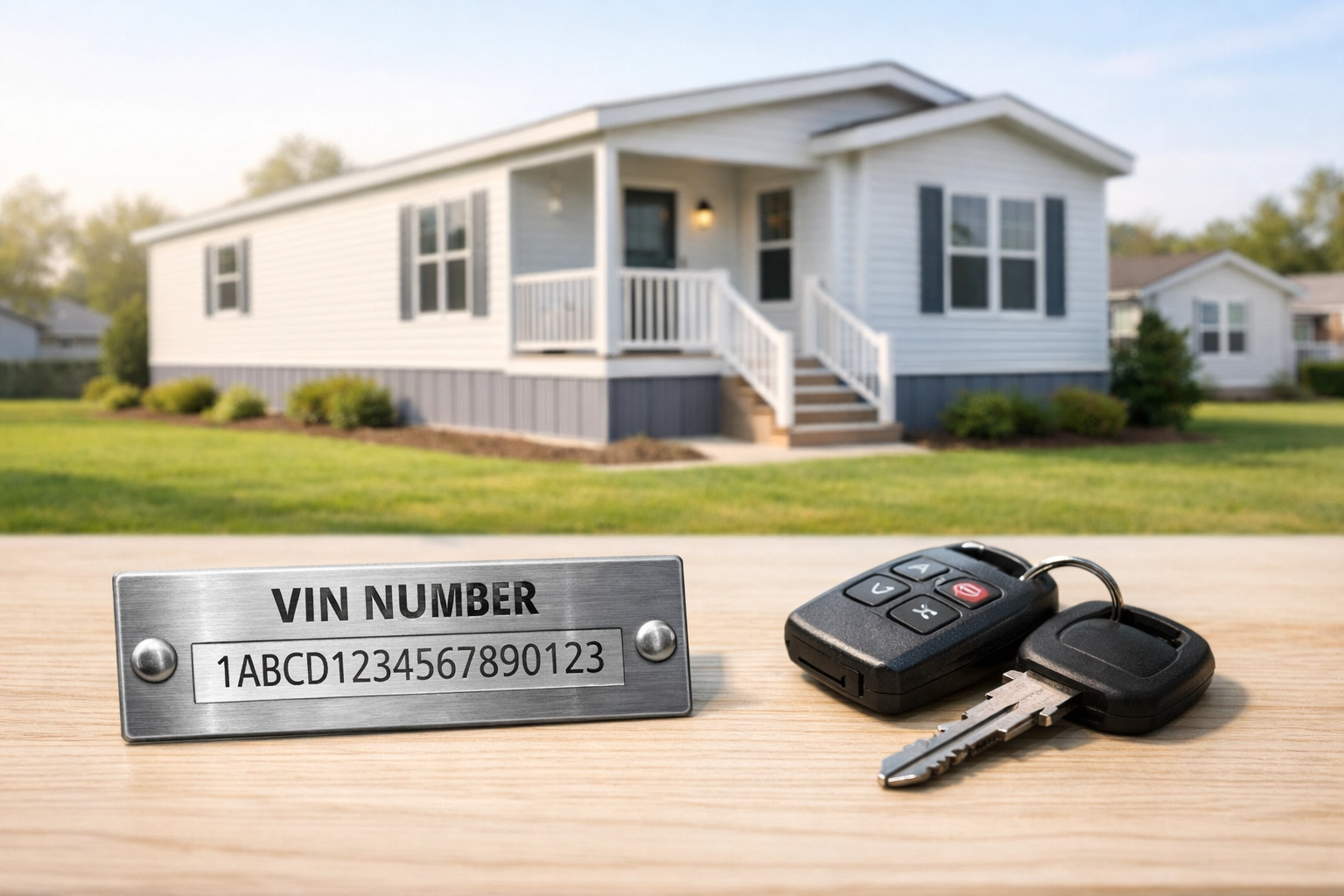
Mobile homes (or manufactured homes) are built on a steel chassis. Because they are transportable, they are born into this world with a VIN (Vehicle Identification Number) or a HUD data plate. This means they start their lives as chattel, a fancy legal word for personal property.
The trap is set when the home is moved onto a piece of land but never legally "merged" with that land.
When you perform a standard title search, the search looks for liens against the real estate (the dirt). However, if the mobile home hasn't been properly detitled, a search of the land won't show you the $20,000 lien held by a lender against the home itself. This is where the nightmare begins. You buy the land, but someone else technically owns the "vehicle" sitting on top of it.
Why Lenders Run Away from the VIN Trap
If you are planning to use a traditional mortgage to purchase a manufactured home, your lender is going to be incredibly picky. Lenders do not like uncertainty.
A mortgage is a lien on real property. If the mobile home is still classified as personal property (chattel), the mortgage doesn't technically cover the house, only the land. This is an essential distinction. If a bank has to foreclose, they want the whole package. They don’t want to find out they have the right to the dirt but have to ask a different lender for permission to enter the front door.
To a lender, a mobile home with an active VIN title is a "mobile asset." It can, theoretically, be unbolted and driven away. To secure a mortgage, you must prove the home is permanently affixed and that the title has been retired. Without this, your financing will collapse faster than a deck of cards in a hurricane.
The "Detitling" Dance: How to Escape the Trap
So, how do you turn a vehicle into a house? This process is often called "detitling" or "affixture." It is the legal mechanism that tells the Department of Motor Vehicles (DMV) and the County Recorder that the chassis is no longer a vehicle and is now a permanent improvement to the land.
The process is often a bureaucratic labyrinth. It generally involves:
- Locating the Original Titles: You need the actual paper titles for each section of the home (double-wides have two!).
- Verifying the VIN/Serial Numbers: These must match the records perfectly.
- Surrendering the Titles: You must formally surrender the vehicle titles to the state.
- Recording an Affidavit of Affixture: This document is filed in the land records, tying the home’s description to the land’s legal description.
This is where many DIY investors get stuck. If the previous owner lost the titles ten years ago and the DMV records are purged, you are facing a massive headache. Here, professional title services become your most indispensable tool. We know exactly which forms to file and which hoops to jump through to get that VIN retired.

The Legal Description Dilemma
When we describe a piece of real estate, we use "metes and bounds" or "lot and block." When we describe a vehicle, we use a VIN. In a proper mobile home closing, these two worlds must collide.
A "clean" title should include the legal description of the land and specifically mention the manufactured home, including its make, model, year, and serial numbers, as part of the real estate. If your deed only mentions "Lot 4 of the Sunset Subdivision" and stays silent about the 2018 Fleetwood sitting on it, you have a problem.
As an investor, you must ensure that the "Transfer of Title" happens correctly at the DMV level simultaneously with the "Transfer of Deed" at the County level. If you miss a step, you might own the land while the seller’s cousin still technically owns the "trailer" because the DMV name change never happened.
Why You Need a Pro: The Savio Title Edge
Navigating the transition from metal to mortar requires a level of precision that many standard title companies simply aren't equipped to handle. They see a mobile home and they see a "simple" closing. At Savio Title, PLLC, we see a potential legal minefield that needs careful clearing.
We don't just "run a search." We dig into the history of the unit. We check for mobile home abandonment issues and ensure that no "ghost liens" from defunct manufactured home lenders are lurking in the shadows.
Our role is to be your expert guide through the wilderness of state regulations. We ensure that by the time you leave the closing table, your mobile home is legally, permanently, and undeniably real estate.

Red Flags to Watch For
As you scout your next deal, keep an eye out for these "VIN Trap" warning signs:
- The Seller Can't Find the Title: If they say, "Oh, it's part of the land now," ask for the recorded Affidavit of Affixture. If they don't have it, the title is still floating out there.
- Different Names on Documents: The tax bill is in the seller's name, but the DMV record (if you can find it) is in the name of the previous owner.
- The VIN is Missing: If the data plate has been painted over or removed, you are in for a long road of inspections and state-assigned VIN applications.
- Unpaid Personal Property Taxes: In many jurisdictions, mobile homes are taxed as personal property until they are detitled. If the owner hasn't paid those "vehicle" taxes, the state won't let you retire the title.
Legal Warning: Proceeding with a mobile home purchase without verifying the status of the VIN title can result in a clouded title that is nearly impossible to sell or refinance later. It can lead to costly litigation to "quiet the title" and may leave you responsible for years of back taxes or hidden liens you didn't know existed.
Final Thoughts: Don't Let the Metal Haunt You
The manufactured home market is a brilliant niche for investors and a great way for families to find affordable housing. But the "VIN Trap" is the most common reason these deals fall apart or become legal nightmares years down the road.
Do not treat a mobile home closing like a standard residential sale. It requires a specialized eye and a deep understanding of the intersection between the DMV and the Recorder of Deeds.
So, the next time you see a great deal on a manufactured home, remember: just because it’s bolted to the ground doesn't mean it’s real estate yet. You need to verify, detitle, and secure your investment.
When you’re ready to ensure your "chattel" becomes a "castle," connect with us. At Savio Title, PLLC, we specialize in the heavy lifting of niche real estate services. We turn the complicated into the completed.
A clean title is the only foundation worth building on.