
Double-Wide Disasters: What to Do When the Land and Home Don’t Match in Public Records
As an investor, few things are as satisfying as finding [...]
As an investor, few things are as satisfying as finding a high-yield mobile home flip or a steady-income rental property. You’ve run the numbers, the land is in a prime location, and the double-wide itself is in surprisingly good shape. You’re ready to close. But then, the title report comes back, and suddenly the "easy deal" looks like a bureaucratic train wreck. The land is listed in the seller’s name, but the home? The home is still registered as personal property in the name of a person who hasn't lived there since the mid-90s. Even worse, the public records only show a VIN for one-half of the unit.
Welcome to the Double-Wide Disaster.
When the land and the home don’t match in public records, you aren't just looking at a clerical error; you are looking at a fundamental legal disconnect that can freeze a transaction for months. At Savio Title, PLLC, we see these scenarios frequently. While they are a "curative nightmare" for the unprepared, they are manageable if you understand the mechanics of how manufactured homes are legally "born" and how they must be "retired" into real estate.
The Anatomy of a Double-Wide: Two VINs, Two Titles
The first thing you must understand as a savvy real estate professional is that a double-wide is not one single entity: at least not initially. It is essentially two separate vehicles that were driven down the highway and bolted together on-site.
Because of this, every double-wide starts its life with two separate Titles (or Certificates of Origin) and two separate Vehicle Identification Numbers (VINs). In many jurisdictions, the DMV or a similar state agency treats these as chattel: the same way they treat a car or a boat.
The disaster begins when only one of those titles is properly managed. If a previous owner "retired" the title for the left side of the home but forgot about the right side, you are left with a legal hybrid. Part of the home is legally real estate, and the other part is technically a motor vehicle. Closing on a property in this state is not only risky; it is often impossible if you are seeking traditional financing or title insurance.

Why Public Records Fail to Match
The disconnect usually happens because of a breakdown in communication between the county tax assessor and the state housing agency or DMV. Here are the three most common reasons your land and home records are out of sync:
- The "Hidden" Personal Property Title: The home was never legally "affixed" to the land. The owner has been paying property taxes on the land, but the home is still floating in the state’s database as personal property.
- The Incomplete Affixture: The owner started the process of converting the home to real property but failed to record the final Affidavit of Affixture.
- The Missing Half: As mentioned, many owners (and even some title clerks) fail to realize that a double-wide requires two titles to be retired. If the records only show one VIN, the other half is likely still "active" in a database somewhere, potentially carrying old liens from a previous owner.
This lack of synchronization is of paramount importance because it prevents the creation of a clean chain of title. Without a match, you cannot guarantee that the person selling you the land actually has the legal right to sell you the structure sitting on top of it.
The "Retired Title" Process: Your Path to a Clean Closing
To fix a Double-Wide Disaster, you must navigate the retired title process. This is the legal mechanism that converts a mobile home from personal property (like a car) to real property (like a house). Once a title is retired, the VINs are effectively "merged" into the legal description of the land.
Step 1: The Title Search
Before you do anything, you need an exhaustive title search. This isn't just a search of the county land records. You must search the state’s manufactured housing or DMV database for the VINs. You need to confirm if there are any outstanding "chattel mortgages" or liens on the home itself that don't appear in the land records.
Step 2: Locating the Physical Titles
If the home is still personal property, you need the original titles. If the seller doesn't have them: which is common in distressed sales: you will have to apply for duplicate titles. This is where things get sticky. If the seller on the land deed isn't the owner of record on the mobile home title, you have a chain-of-title gap that must be bridged before the state will issue a new title.
Step 3: The Affidavit of Affixture
Once you have control of the titles, you must file an Affidavit of Affixture or a Statement of Ownership. This document officially declares that the home is permanently attached to the land and that the owner intends for it to be treated as real property.
Step 4: Recording and Notification
The final, indispensable step is recording this affidavit in the county land records and notifying the state agency to "retire" the titles in their system. Only then do the home and the land become one single legal unit.
When the Chain of Title is Broken
What happens if the original owner of the mobile home title is deceased or long gone? This is the ultimate hurdle in the curative process. If the titles were never signed over or retired 20 years ago, you are now chasing ghosts.
In these cases, you may need to pursue a Quiet Title Action or seek a court order to declare the home part of the real estate. This is why we stress the importance of professional intervention early in the process. Trying to DIY a broken mobile home chain of title is a recipe for a multi-year headache. If the home has been abandoned, you might also need to look into the mobile home abandonment process to clear the way for a clean transfer.
The Lien Trap: Hidden Liabilities
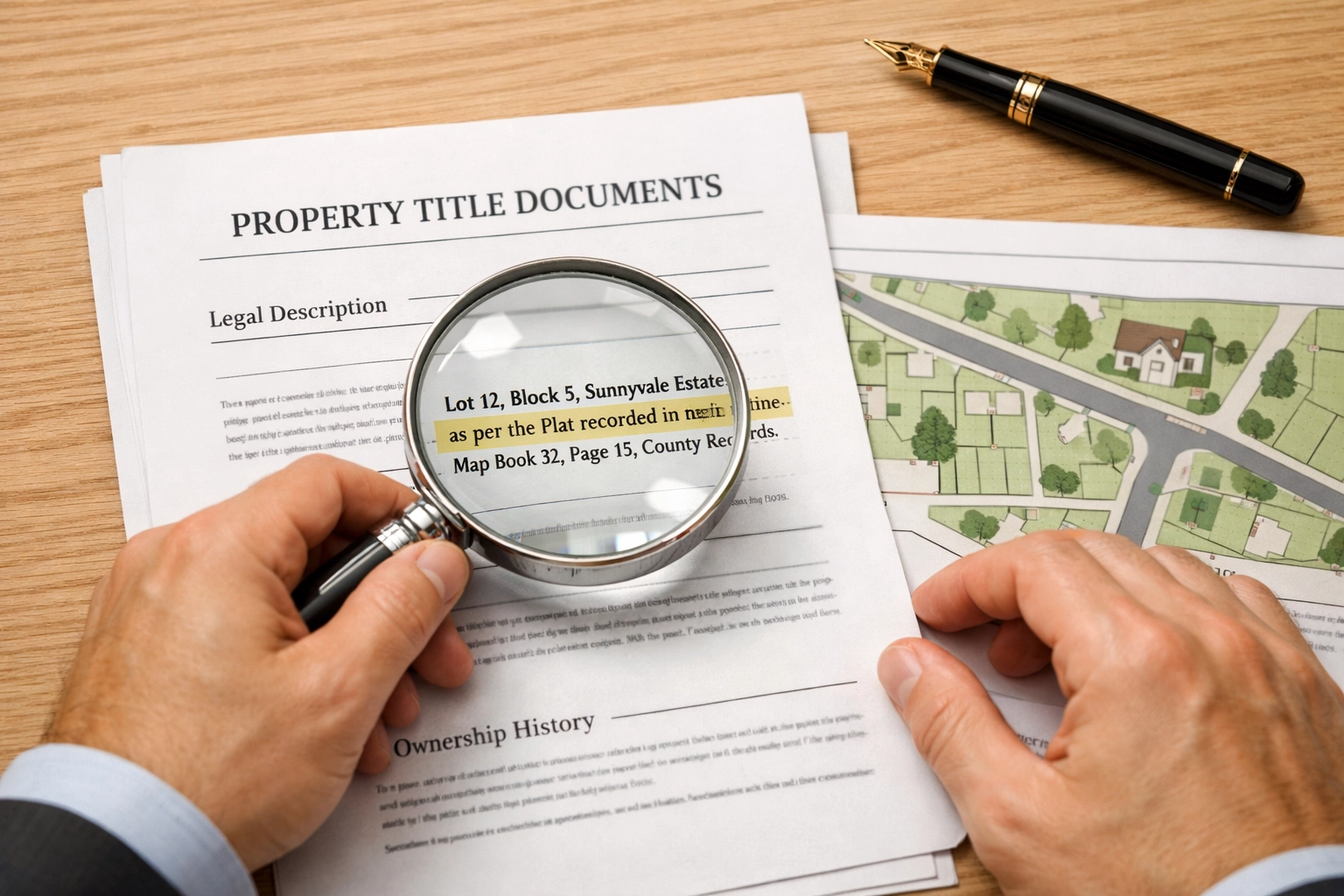
One of the most dangerous aspects of a land/home mismatch is the potential for hidden liens. Because the home is technically personal property until the title is retired, a creditor could have placed a lien on the home that never hit the county land records.
Imagine buying a property, only to have a bank show up three months later to repossess "their" half of your double-wide because of an unpaid loan from a decade ago. This isn't a hypothetical horror story: it happens. When you work with an expert firm like Savio Title, PLLC, we perform the deep-dive research necessary to uncover these "invisible" liabilities.
Practical Tips for Investors and Park Owners
If you are looking at a manufactured home deal, do not take the seller's word that "everything is in order." As an investor, you must verify the status of the titles before you put down a non-refundable deposit.
- Check the Tax Bill: Does the tax bill list both the land and the "improvements" (the home)? If the tax bill is for land only, the home is likely still personal property.
- Look for the HUD Tags: Every manufactured home built after 1976 should have a red HUD metal plate on the exterior. Use the numbers on these plates to track down the records.
- Inspect the Tongue and Chassis: The VIN is usually stamped into the steel frame of the home. If you can’t find a paper title, you’ll need these numbers to search the state database.
- Consult the Experts: Before you get too deep into a deal with a mismatch, connect with us. We can help you determine the cost and timeframe for the curative work required.
Why Savio Title, PLLC is the Solution
Navigating the intersection of DMV regulations and real estate law requires a specific set of skills. At Savio Title, PLLC, we specialize in the "messy" deals. We understand that in the world of mobile home investing, time is the enemy of profit.
We don't just identify the problem; we provide the roadmap to fix it. From coordinating with state agencies to drafting the necessary affidavits, our goal is to ensure that your "Double-Wide Disaster" turns into a successful closing. Whether you are dealing with a complex commercial search or a tricky residential affixture, we have the tools to get the job done.
Don't let a public record mismatch derail your next investment. By understanding the retired title process and ensuring your descriptions match, you protect your equity and your peace of mind.
The next time you encounter a home and land that don't match, remember: it’s not just a clerical error: it’s a call to action for professional title curative work.